First stop: Greece
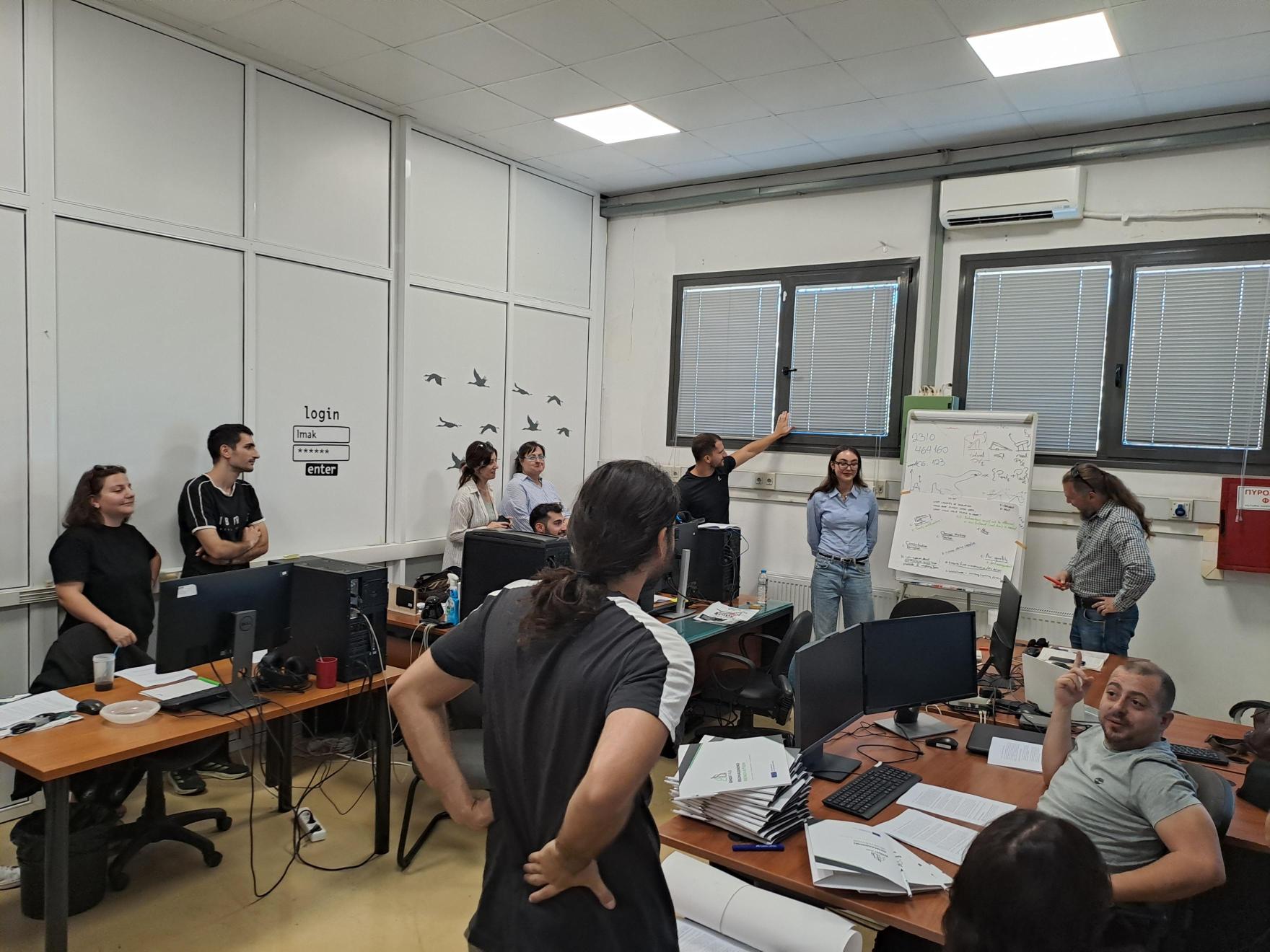
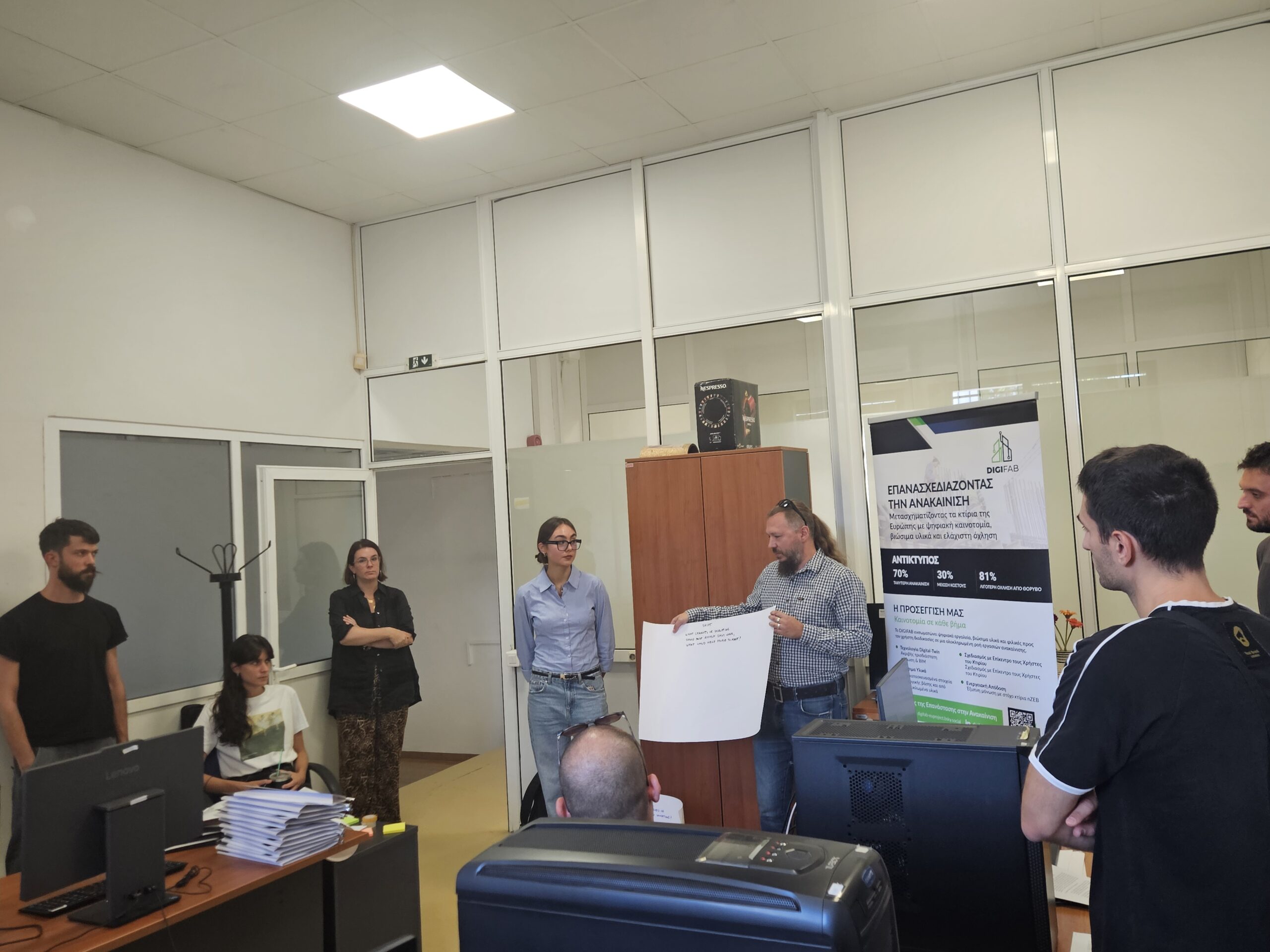
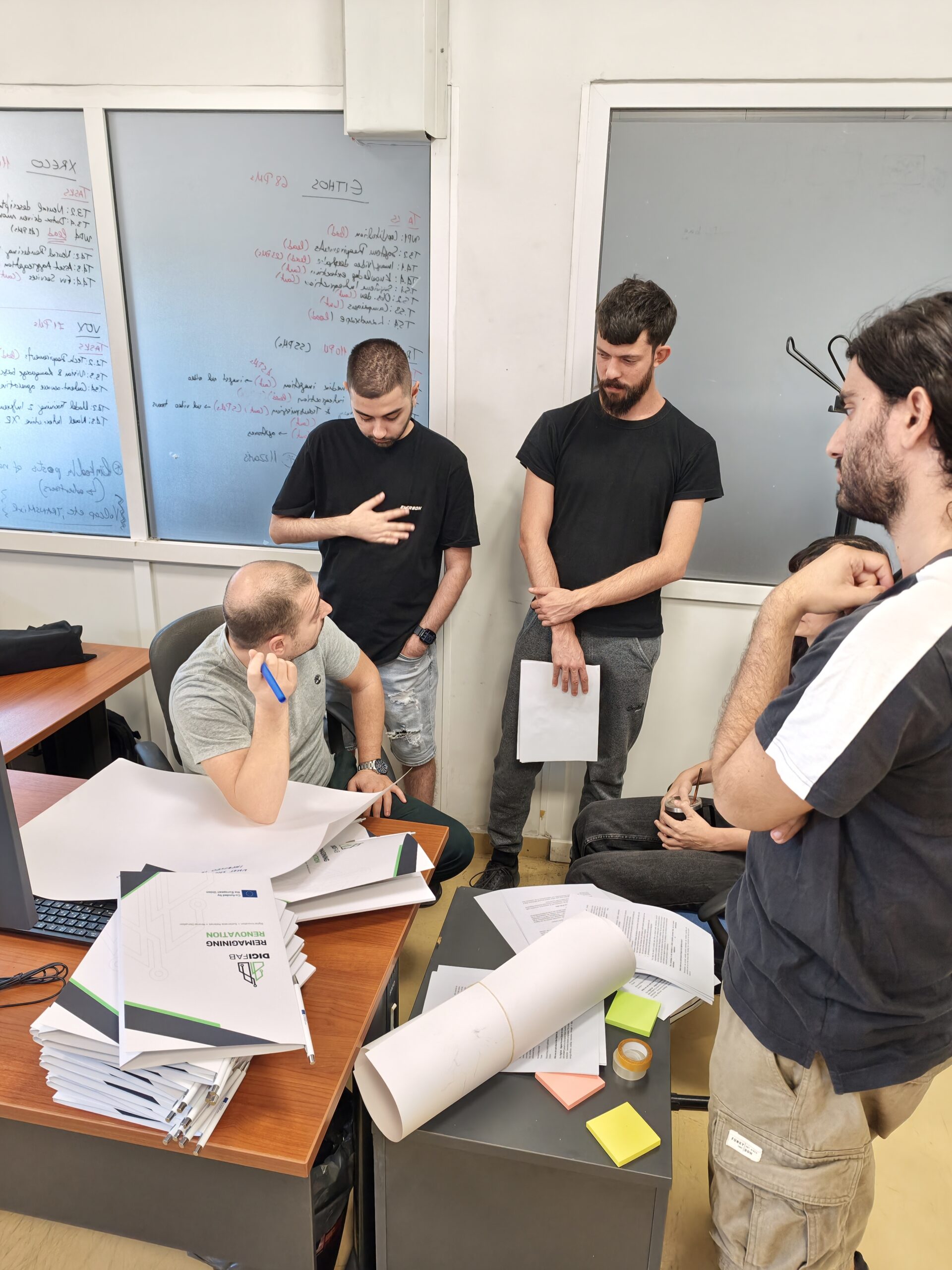
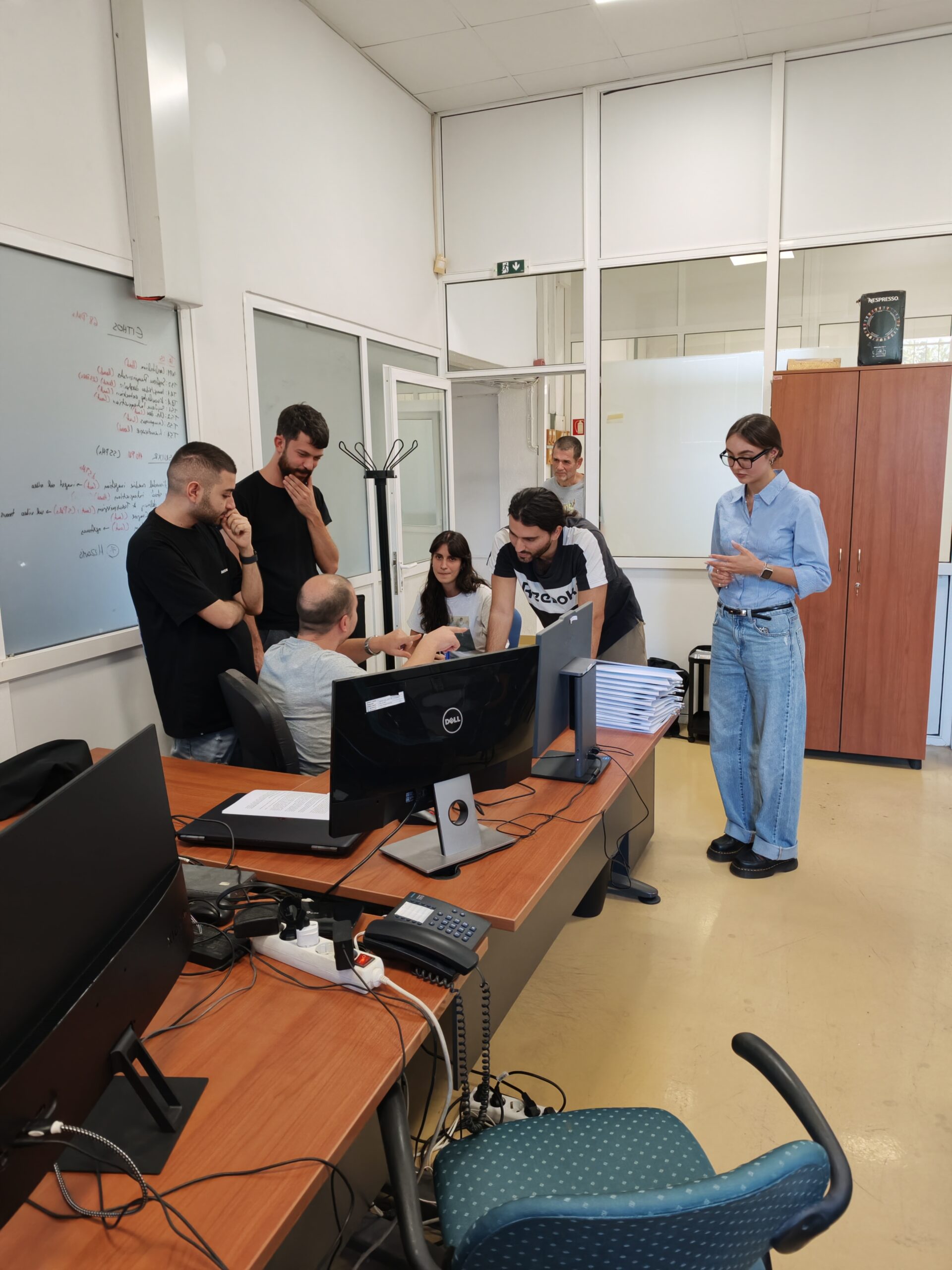
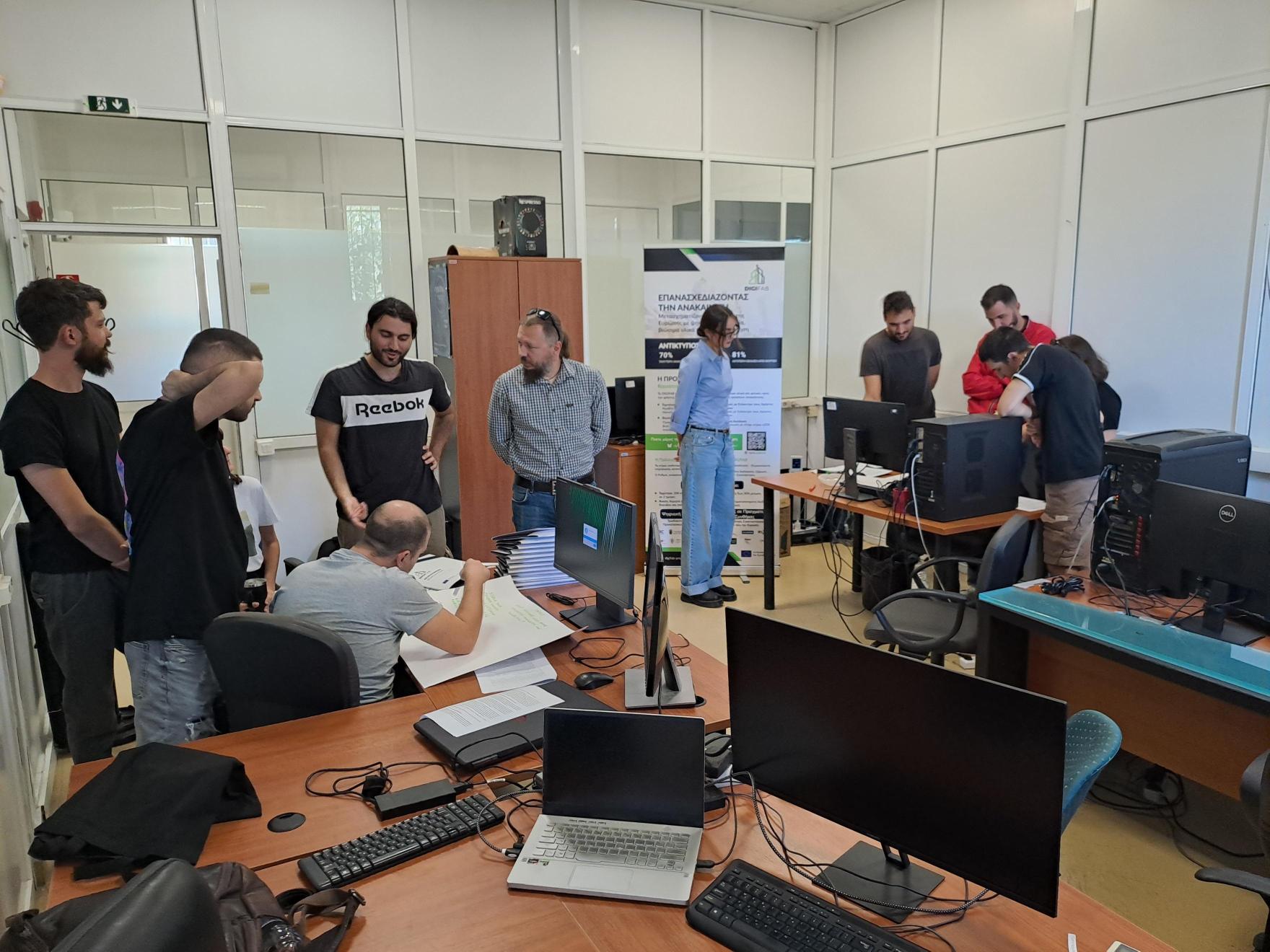
On 23 September 2026, the first co-creation workshop took place at the CERTH pilot site in Thermi, Greece, bringing the DigiFab methodology from research and planning into a real building environment.
And the first results have already shown why this approach matters.
Not everything must be renovated
The session focused on a simple but important question: what does a successful renovation mean from the perspective of the people who actually work in the building?
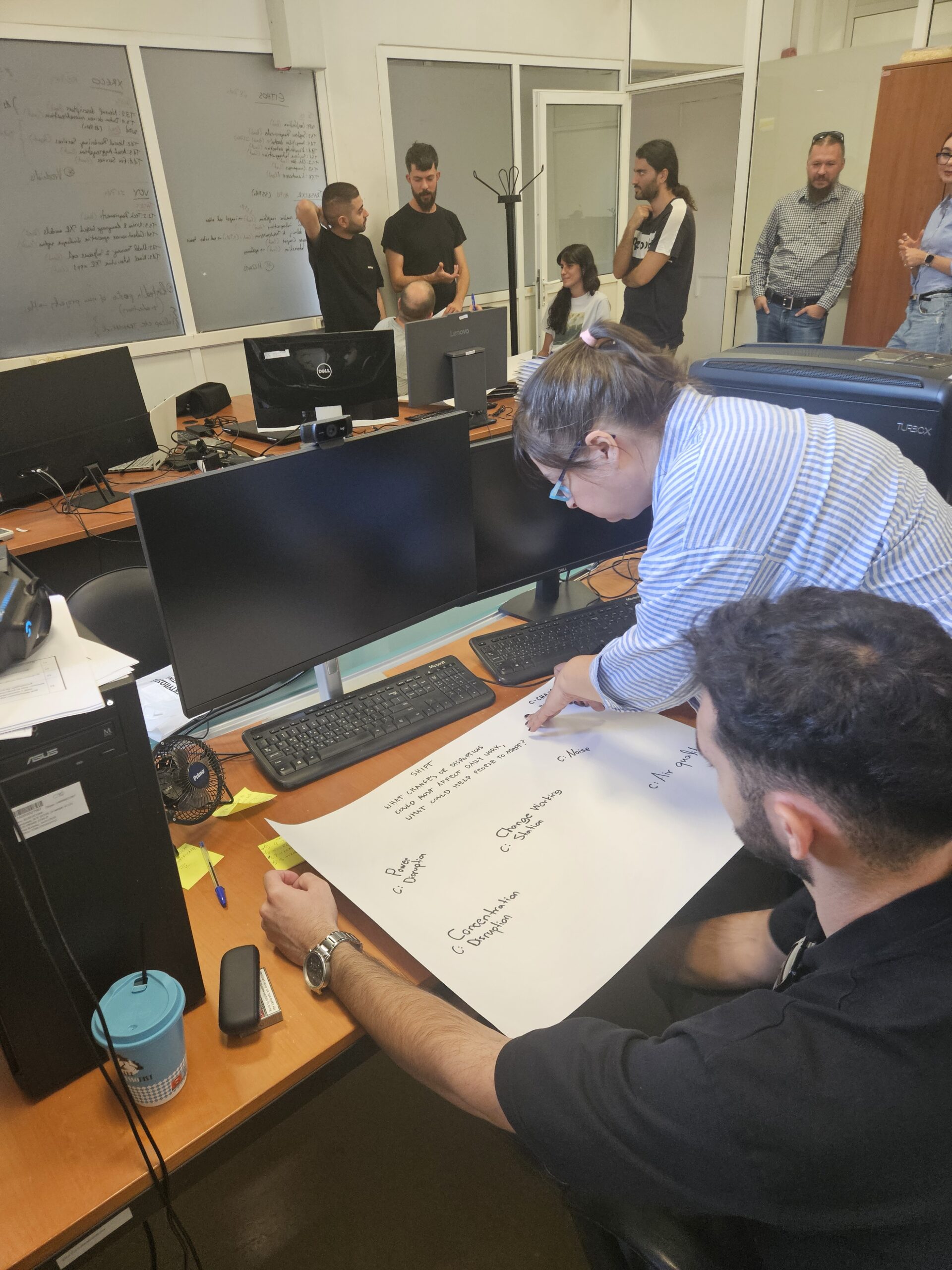
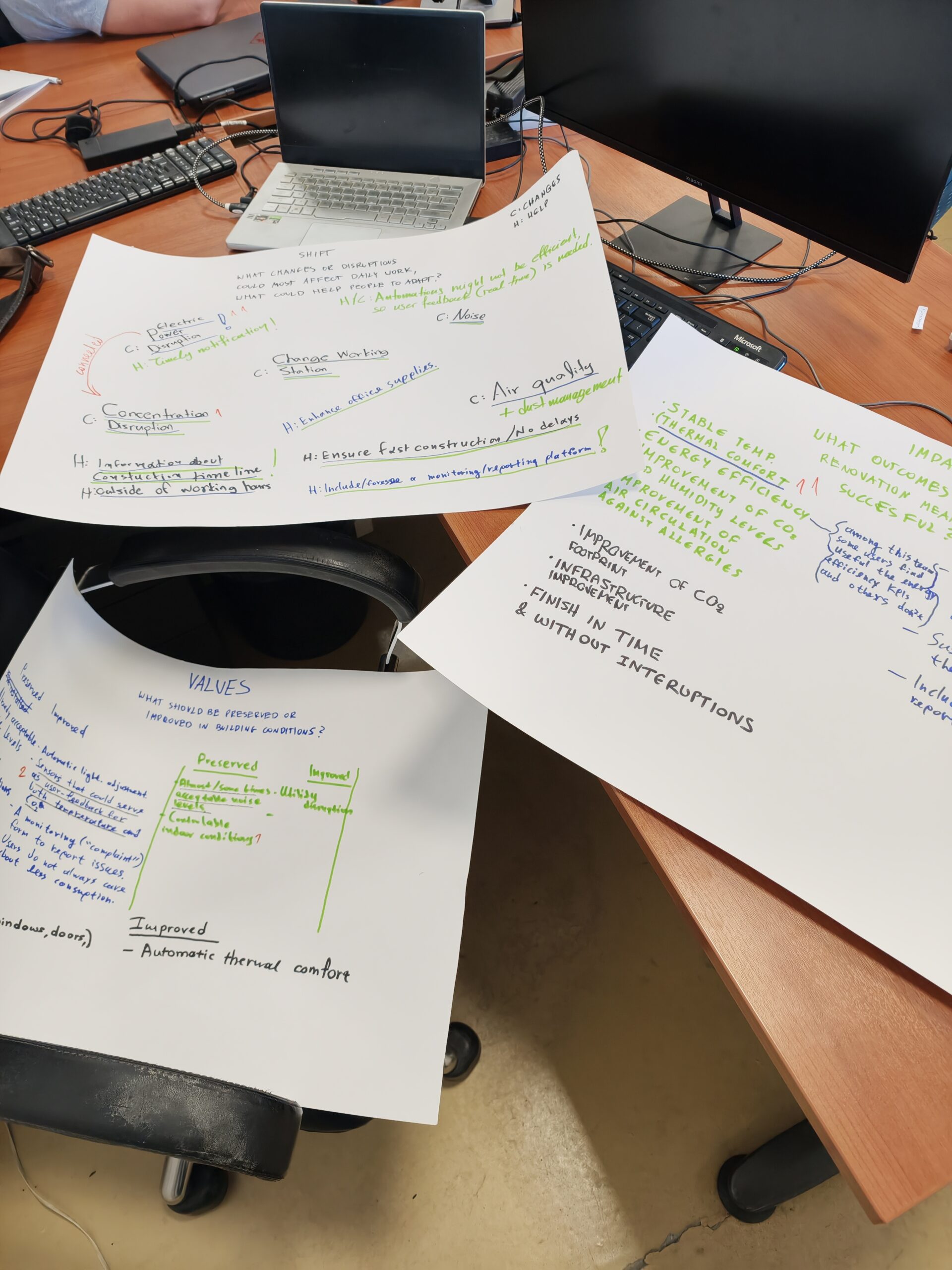
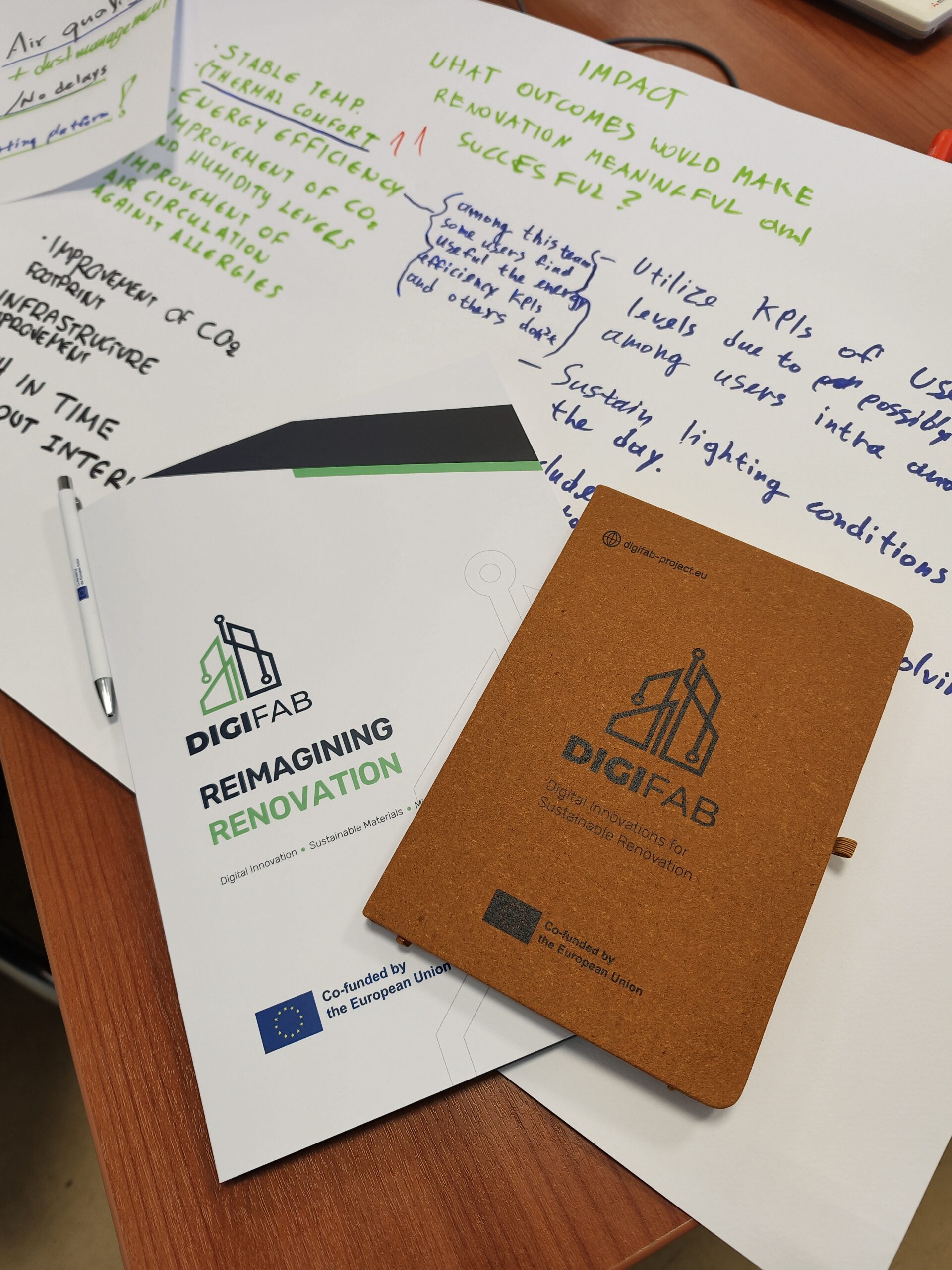
The discussions generated a rich set of practical observations. Participants highlighted the importance of preserving already acceptable aspects of the working environment while improving areas such as thermal comfort, lighting, air quality, humidity and CO₂ levels.
At the same time, the workshop showed that the way renovation is carried out can be just as important as the final technical result.
Communication is key
Participants were particularly concerned about potential electricity disruptions, noise, dust, changes of workplaces and interruptions affecting concentration and everyday work. Clear communication was therefore identified as an important part of the renovation process. Suggestions included:
- timely notifications,
- clear information about the construction schedule,
- carrying out disruptive work outside normal working hours where possible,
- avoiding unnecessary delays.
Occupants with active role and support
Another interesting message was the need for continuous two-way communication. Participants proposed monitoring and reporting tools through which building users could flag problems and provide real-time feedback, complementing automated sensors and technical monitoring.
Success was therefore understood broadly: not only as higher energy performance, but also as stable temperatures, improved indoor environmental quality, limited disruption, timely completion and a renovation that is positively experienced by its users.
Three pilot sites, three renovation realities
DigiFab is developing a digital process chain for energy renovation using prefabrication. However, renovation is never purely a technological challenge. Even the most advanced technical solution needs to work for the people who use the building, those who manage it and those responsible for designing and implementing the renovation.
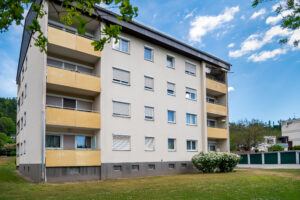
This is particularly important because DigiFab is working with three very different demonstration environments: the EPS Milanera building at the University of Burgos in Spain, a residential building in Bruck an der Mur, Austria, and the Salvano Office Building at CERTH in Thermi, Greece.
Adapting participation models
The diversity of these sites is intentional. An educational building, an apartment building and an office environment create very different patterns of use, decision-making and interaction with renovation works.
For this reason, DigiFab does not apply a one-size-fits-all participation model. The project defined a series of methodologies for the co-creation process for occupants and stakeholders adapted to these different social and organisational environments.
Based on desk research, stakeholder interviews and a survey involving 125 respondents, the project proposes an adaptable approach reflecting the different characteristics of each pilot. Spain and Greece follow a structured series of co-creation workshops, while the residential Austrian pilot combines stakeholder workshops with a diary-based process capturing occupants’ experiences over time.
Despite these differences, all three pathways share the same objective: to connect stakeholder participation with real renovation decisions and create a transparent feedback loop between users and the project team.