The project explores how digital processes and industrialised approaches can make deep renovation more efficient, repeatable and less disruptive. At the Austrian demonstrator in Bruck an der Mur, this means bringing together digital survey and planning, prefabricated bio-based façade elements, integrated energy technologies and streamlined on-site assembly — and testing how they work together under real conditions.
Making the building envelope part of the energy system
One of the technologies integrated into the Austrian demonstrator is the CEPA energy façade developed by Towern3000.
The approach changes the role traditionally assigned to the façade. Rather than acting only as insulation and protection from external conditions, the building envelope becomes an active part of the energy system.
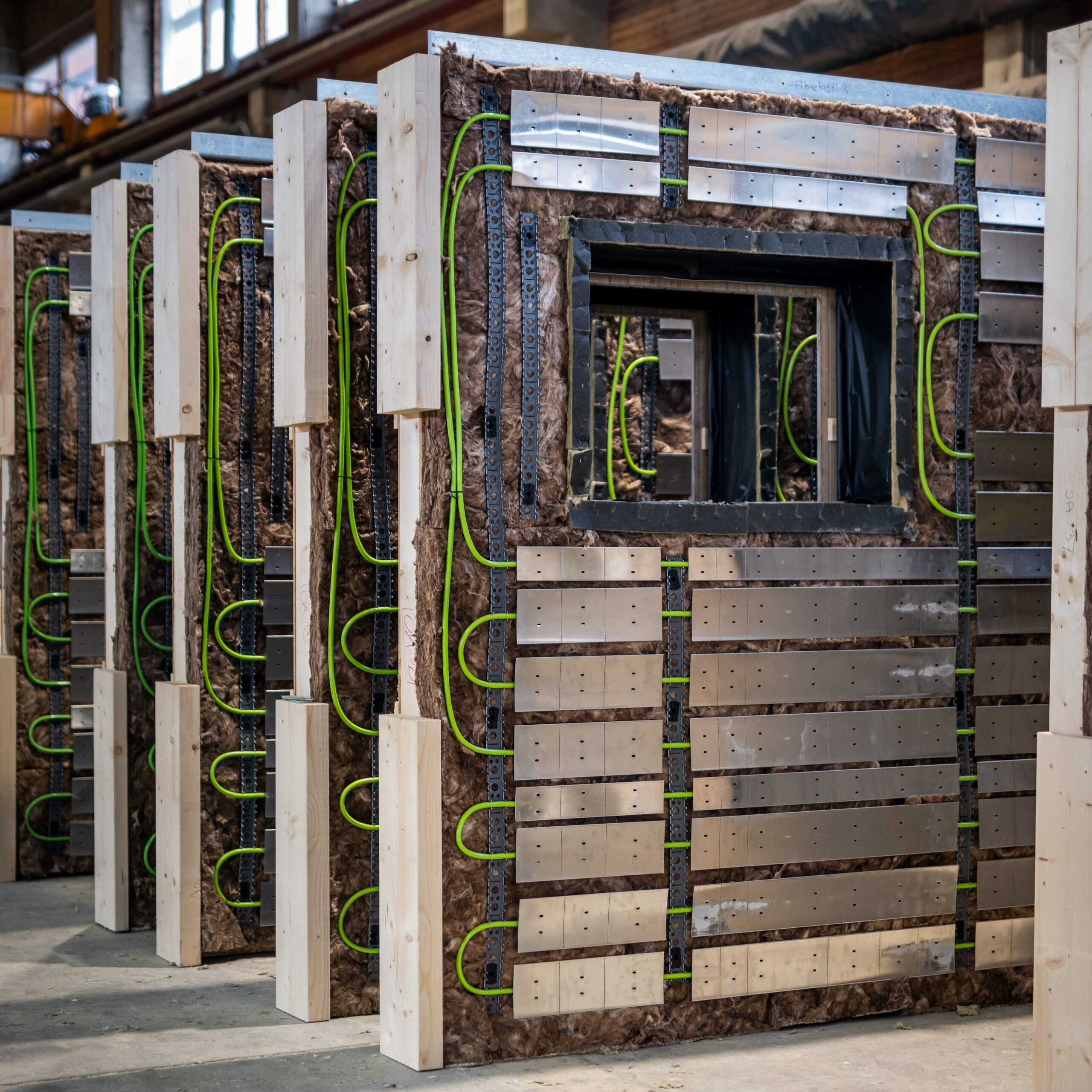
A water-based energy distribution system is installed on the existing exterior wall and integrated into the new façade structure. The wall can therefore act as a large heat-transfer surface, supporting heating and cooling, while the existing building mass can also be used for thermal storage.
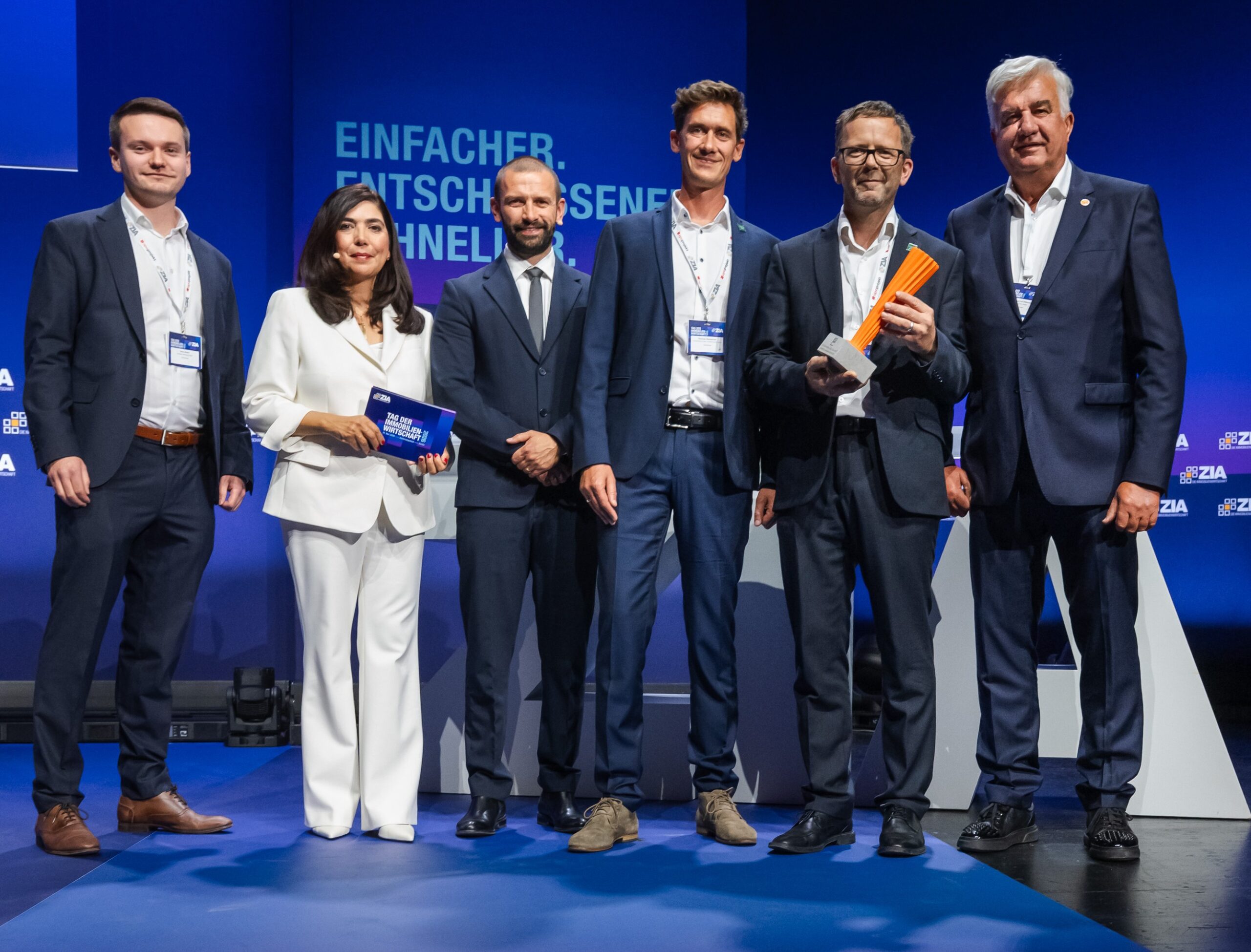
The approach has also received recognition beyond the research context. In May 2026, the CEPA energy façade was named “Innovation of the Year 2026” in the “Design & Build” category as part of the ZIA Innovation Radar in Germany.
Within DigiFab, the focus is on taking this technology into a real renovation process: how can it be integrated into an approach designed for wider replication?
Connecting energy technology and prefabrication
In Bruck an der Mur, the CEPA system is incorporated into large-format prefabricated façade elements. This allows part of the renovation work to move from the construction site to controlled production conditions, supporting DigiFab’s approach to faster and more standardised renovation processes.
The demonstrator therefore tests the interaction between several components:
- digital building survey and planning,
- industrial prefabrication,
- bio-based materials,
- heating and cooling technology,
- serial production
- on-site installation.
For renovation solutions to be deployed at scale, individual technologies must not only work technically. They also need to fit into coherent processes for planning, production, transport, installation and operation.
Testing renovation in an occupied building
Scalability also depends on what renovation means for the people using a building.
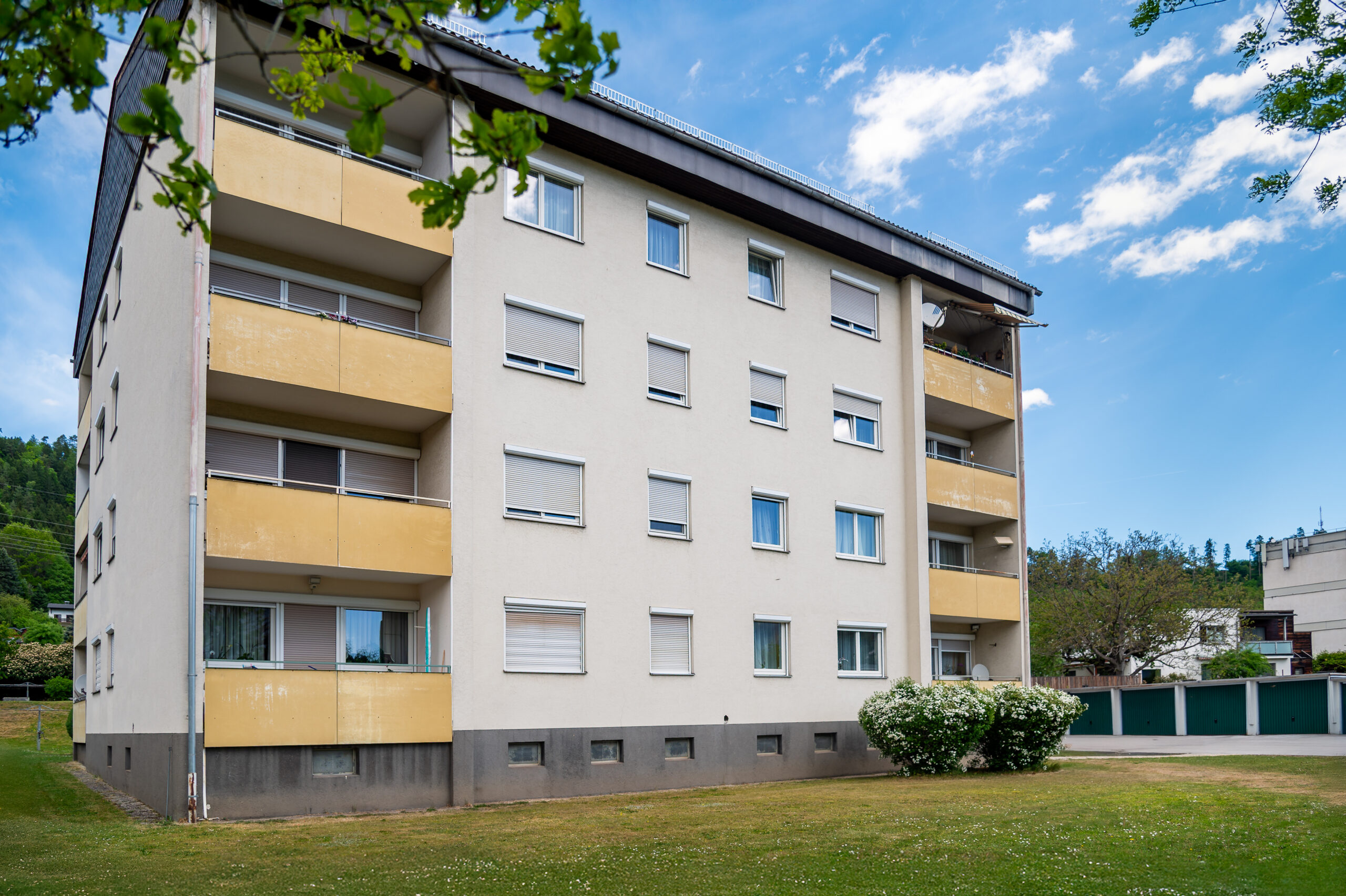
The Bruck an der Mur demonstrator is an occupied residential building. Because the CEPA system is largely installed from the outside, interventions inside individual apartments can be reduced, helping to limit disruption for residents during renovation.
The large activated façade area also allows operation at relatively low system temperatures, creating suitable conditions for integration with efficient energy supply technologies such as heat pumps. The existing wall mass can additionally contribute to thermal storage, creating potential for more flexible energy use and reduced peak loads.
From one demonstrator to scalable renovation
The Bruck an der Mur pilot reflects a broader ambition of DigiFab: to understand how different technologies and processes can be combined into renovation approaches that can move beyond individual demonstration buildings.
Testing them under real conditions makes it possible to examine not only technical performance, but also planning workflows, prefabrication, interfaces between trades, installation and the practical impact on residents. These lessons are essential when considering how an approach developed for one building could be transferred to future renovation projects.
In this context, CEPA contributes one part of a wider DigiFab renovation chain. The Bruck an der Mur demonstrator is ultimately about understanding how digitalisation, industrial prefabrication, bio-based construction and integrated energy technologies can work together to make deep renovation more scalable, efficient and compatible with occupied buildings.